







 —GASP Joins Federated Hermes, Voyacy Regen and Partners to Advance Andhra Pradesh’s Integrated “Land-to-Sea” Regeneration Initiative
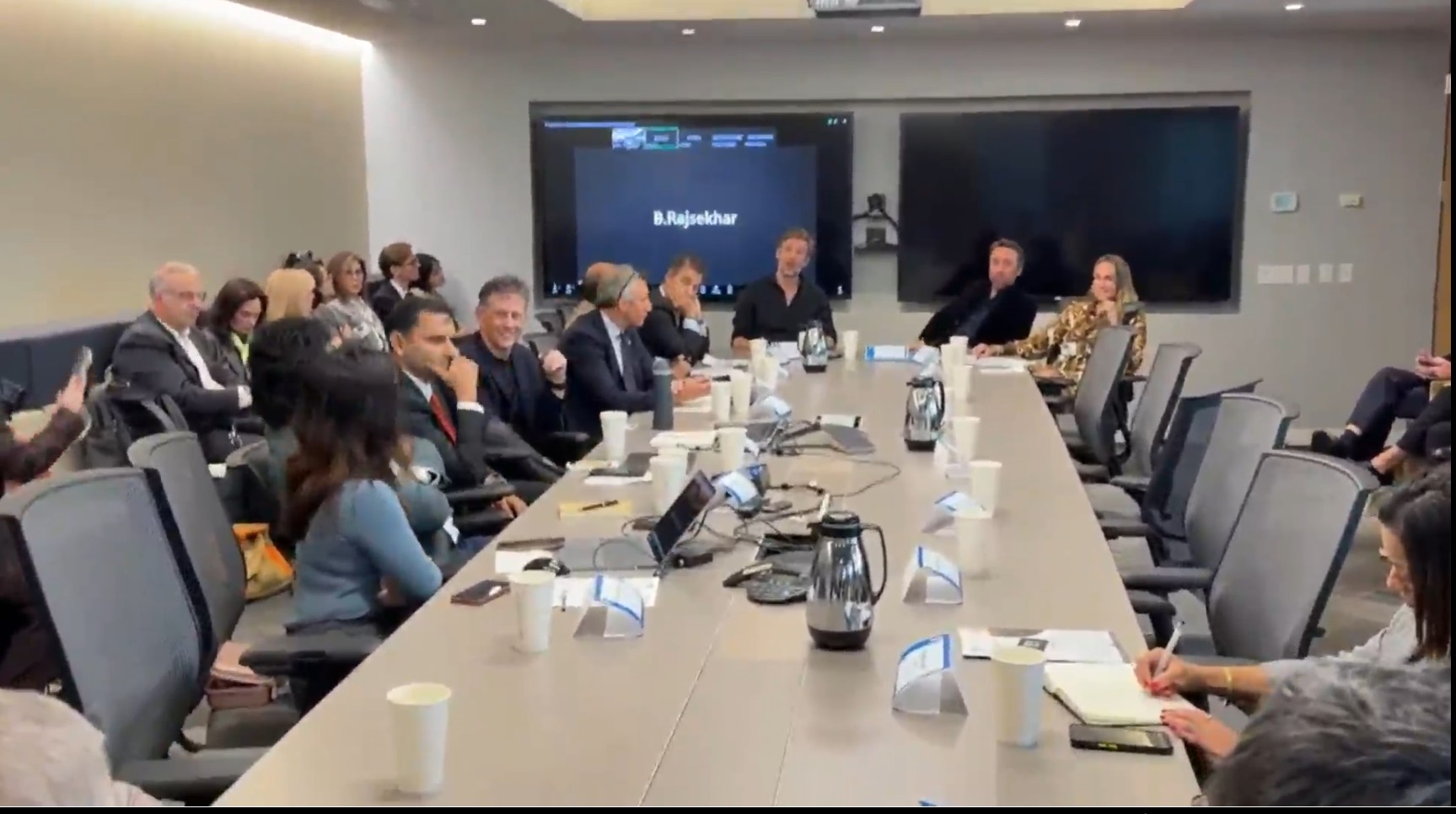
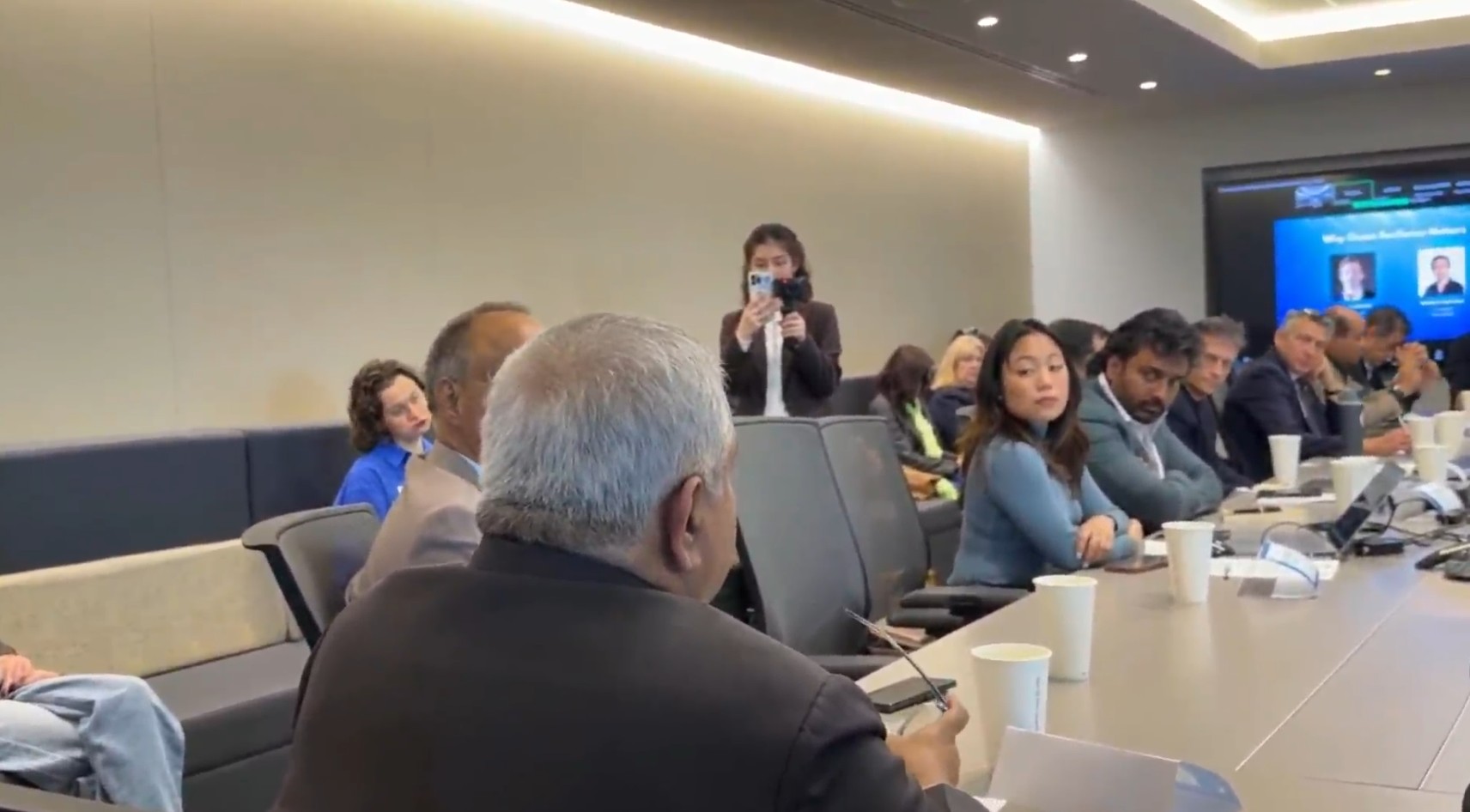
Celebrity Media Report: On September 23, 2026, during Climate Week NYC, a special forum titled “From Land to Sea, Rebuilding Ocean Abundance: Pathways to Build and Finance Ocean Resilience” was held at 101 Park Avenue in Manhattan, New York.
The event was initiated by the Global Alliance for a Sustainable Planet (GASP) in collaboration with the Government of Andhra Pradesh, India; global asset manager Federated Hermes; Pegasus Capital Advisors; marine technology company Voyacy Regen; and other partners. The discussion focused on moving beyond the limitations of traditional, fragmented environmental projects by connecting agriculture, watershed management, plastic recycling, mangrove restoration, coral reef restoration, and climate finance into a measurable, investable, scalable, and replicable “land-to-sea” ecological regeneration system. According to official event materials, Andhra Pradesh will serve as an important pilot region for this model.
From Protecting the Ocean to “Building Ocean Infrastructure”
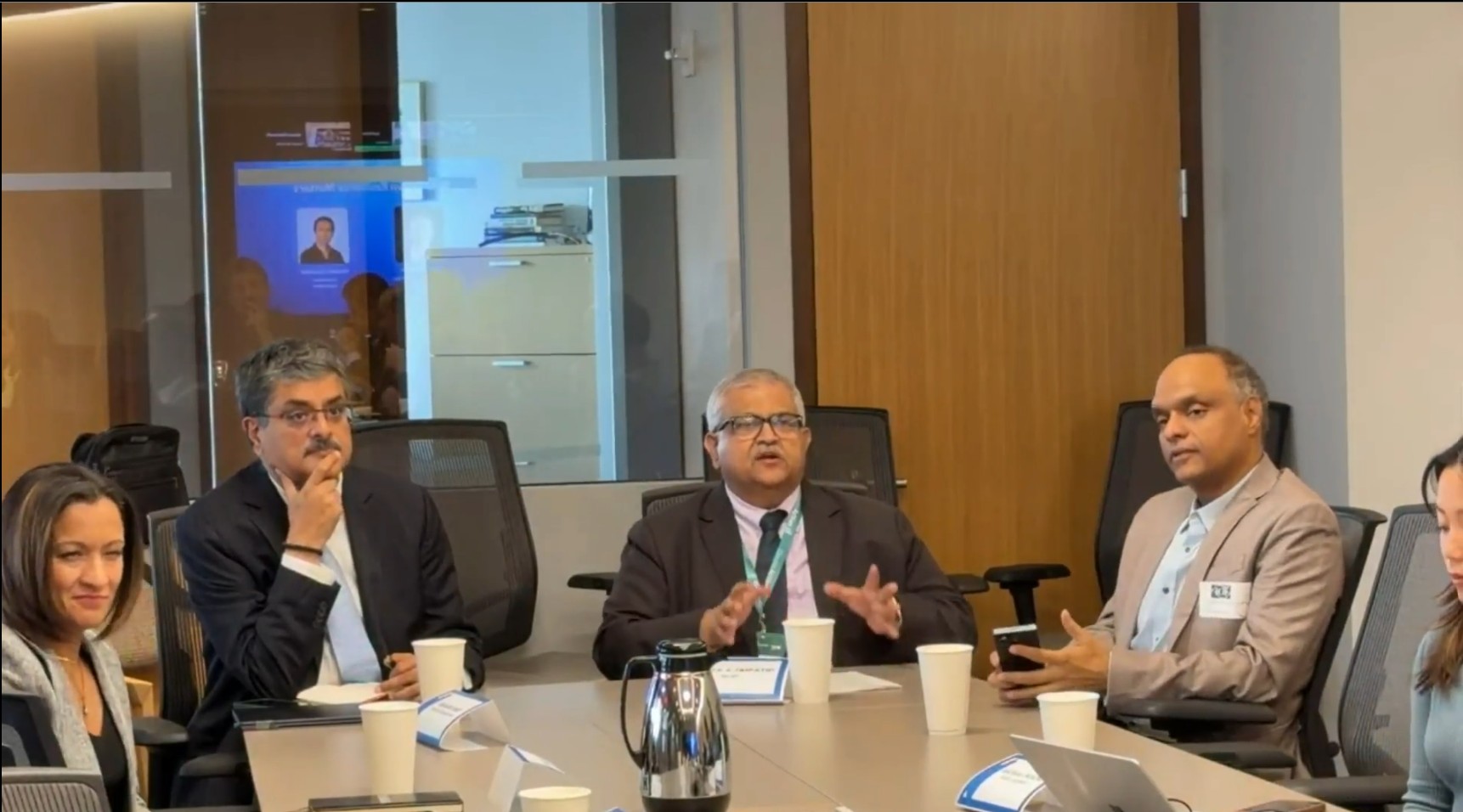
At the opening of the meeting, GASP Secretary-General Satya S. Tripathi said that GASP currently has approximately 500 partners and expressed particular appreciation to Voyacy Regen, Pegasus Capital, and Federated Hermes for participating in the collaboration. He emphasized that the initiative requires more than ideas and small-scale experiments; it needs partnerships capable of mobilizing large-scale capital and creating genuine systemic impact.
The presence of Federated Hermes in this discussion is particularly noteworthy. According to the company’s latest published figures, as of the second quarter of 2026, it managed approximately $912 billion in assets globally. This illustrates how the concept of “ocean resilience” discussed at the meeting is no longer confined to traditional philanthropy or environmental conservation, but is increasingly entering the fields of asset management, infrastructure investment, and impact investing.
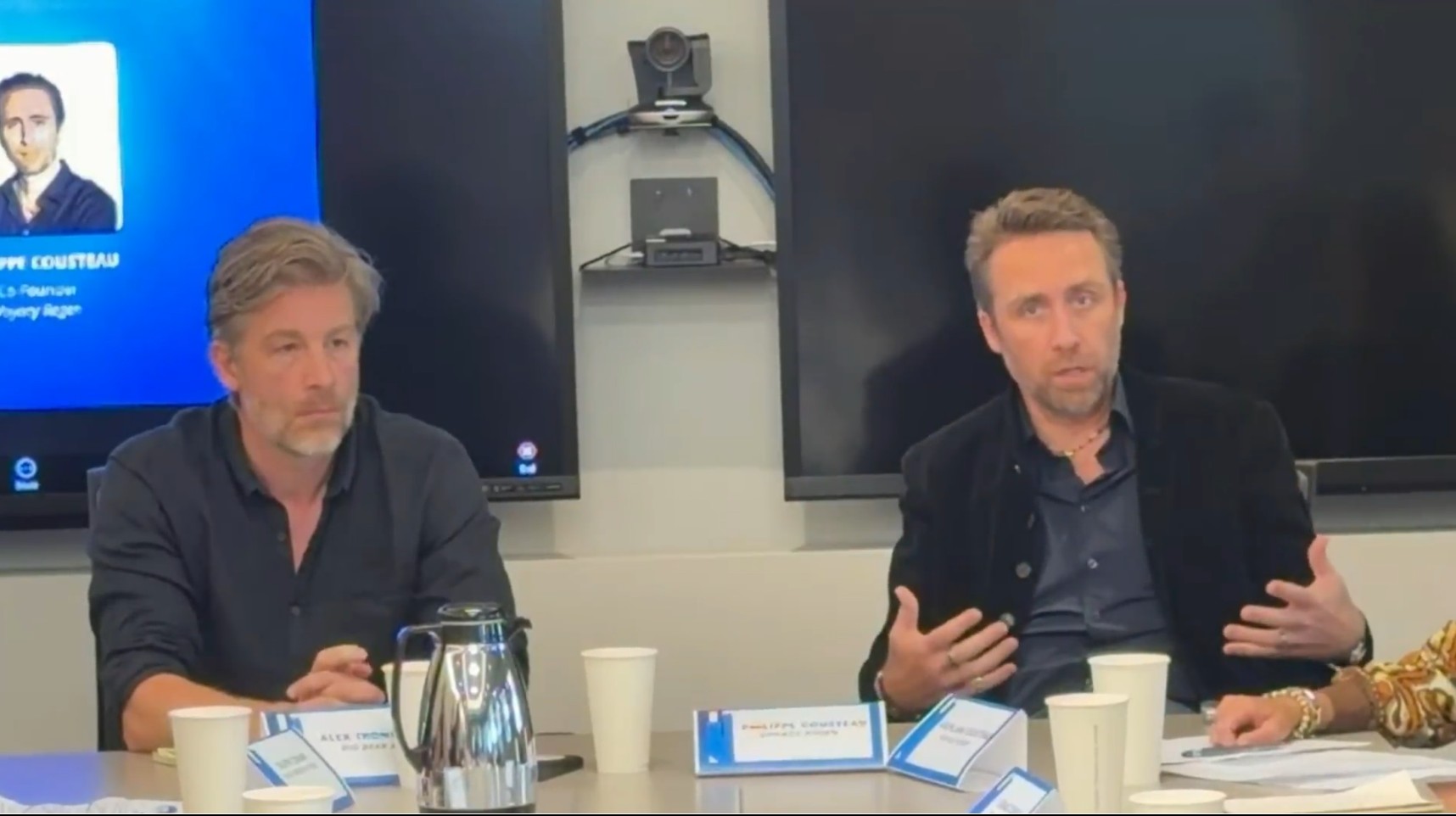
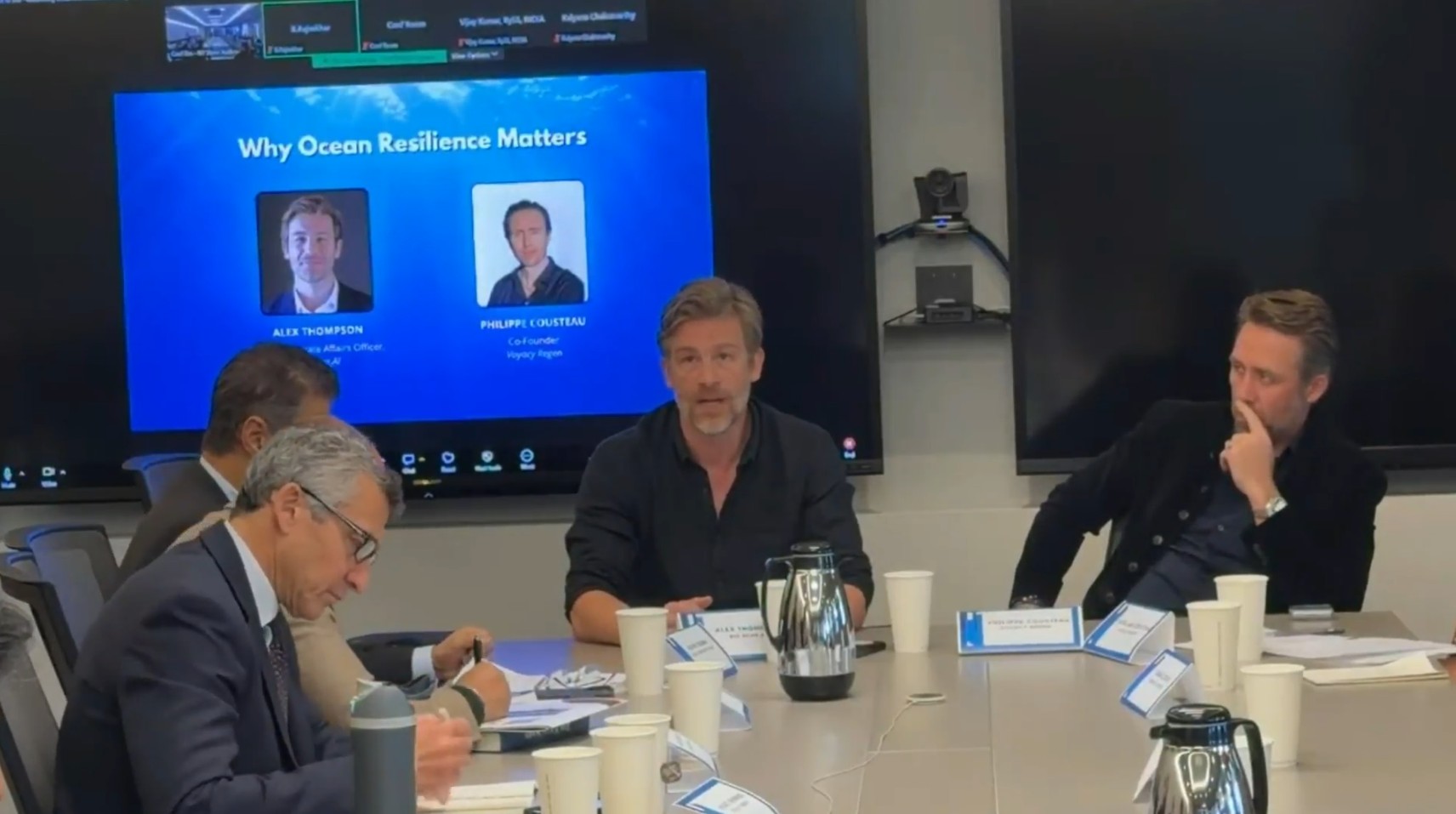
Philippe Cousteau, Co-Founder of Voyacy Regen and a prominent ocean conservation advocate, said at the meeting that decades of experience had convinced him that philanthropy alone cannot address the immense challenges facing marine ecosystems. Philanthropic funding can play a critical catalytic and early-stage role, but achieving meaningful scale also requires commercial mechanisms as well as public and private capital.
Cousteau proposed an important shift in perspective: coral reefs should not be viewed only as biodiverse ecosystems that need protection; they should also be regarded as critical infrastructure that protects coastal communities and economic activity.
He argued that attracting financing at the necessary scale requires rethinking the economic role of coral reefs and treating them as resilient assets capable of producing identifiable social and economic returns. He compared many existing coral reef restoration projects to “filling potholes,” while what is actually needed is coastal resilience infrastructure on the scale of “building a national highway system.”
3D Printing, Heat-Tolerant Corals and “Shield Reef”
Voyacy Regen is working to turn this concept into an engineered solution.
Cousteau explained that the company plans to combine 3D construction technology, artificial intelligence, machine learning, and land-based coral cultivation to grow more heat-tolerant corals and integrate them with engineered reef structures to create a coastal protection system known as “Shield Reef.”
The goal is not only to restore marine biodiversity, but also to enable coral reefs to reduce wave energy and flooding, protect coastal assets, and create local employment, thereby developing infrastructure projects with the potential to generate economic returns. Public information from Voyacy Regen also shows that the company is working to use 3D-printed reef structures and land-cultivated heat-tolerant corals to build large-scale coastal marine infrastructure capable of absorbing wave energy.
Cousteau emphasized that his goal goes beyond “sustainability” toward “regeneration”—not merely reducing damage, but actively restoring natural systems that have already been degraded.
Why Does “Ocean Resilience” Begin on Farmland?
One of the most distinctive aspects of the meeting was that it did not treat ocean issues as problems confined to the coastline.
The organizers presented a complete ecological chain:
Regenerative agriculture → watersheds → rivers → wetlands → mangroves → coral reefs → fisheries → oceans.
The underlying logic is that agricultural chemicals, land degradation, and plastic waste ultimately reach the ocean through rivers. Therefore, genuinely improving marine ecosystems requires addressing problems at their sources on land. GASP summarizes this concept as “Ocean resilience starts on land.”
Andhra Pradesh, India, has therefore become an important testing ground for the initiative.
T. Vijay Kumar, head of the Andhra Pradesh Community Managed Natural Farming program, explained at the meeting that the initiative began with approximately 40,000 participating farmers in 2016 and plans to reach around 2 million farmers in 2026, with a goal of expanding to 4 million farmers and 2 million hectares of land by 2031.
He emphasized that the model is not a traditional “return to the agriculture of the past.” Instead, it focuses on zero synthetic chemicals, the science of the soil microbiome, and farmer-to-farmer knowledge-sharing systems. The region also relies on an extensive network of women’s self-help organizations to support farmers through the transition, with experienced farmers training other farmers rather than relying entirely on outside experts.
According to the latest publicly available data from the Andhra Pradesh natural farming program, more than 1.77 million farmers and 920,000 hectares of land are currently participating. The program reports that some practices have resulted in lower production costs, higher net farmer incomes, and water savings of up to approximately 50%.
In his remarks in New York, Vijay Kumar directly connected this agricultural transformation to the theme of the meeting: “From the land to the ocean—that is the journey we want to take next.”
From Ocean Plastics to Carbon Markets: The Key Question Is “How Do We Scale?”
The meeting also brought the circular plastics economy, mangrove restoration, carbon markets, and other elements into a common financing framework.
Tripathi emphasized that, with global warming already approaching critical thresholds, solutions can no longer remain indefinitely at the pilot-project stage. What is needed are proven technologies and implementation teams capable of scaling rapidly.
Vikas Chhajer, CEO of Gemcorp Recycling & Technologies, also participated in the event. The company said its discussion focused on connecting land-based plastic recycling, circular manufacturing, and traceable supply chains with ocean protection, transforming plastic management from an environmental burden into a circular-economy system with industrial value. (LinkedIn)
The meeting also explored the use of mangrove restoration, carbon credits, and other revenue sources to create diversified cash flows for ecological projects. The underlying challenge is highly practical: if large-scale nature restoration cannot establish long-term, stable financing mechanisms, then even when the technology already exists, projects will struggle to expand from dozens of hectares to hundreds or even thousands of kilometers of coastline.
From “Environmental Projects” to Investable Natural Infrastructure
One clear trend emerging from this Climate Week NYC meeting is that global climate action is gradually moving beyond the question of “why nature should be protected” toward more practical questions—who will invest, how returns can be generated, how solutions can be scaled, and how the real impact of ecological restoration can be demonstrated.
From natural farming involving millions of farmers in Andhra Pradesh, to plastic recycling and mangrove restoration, to Cousteau’s vision of industrial-scale coral cultivation and “Shield Reef,” participants from different sectors are attempting to establish the same underlying model: transforming ecological restoration from a collection of isolated projects into an infrastructure system that can be measured, financed, and replicated.
For this reason, “From Land to Sea” is about much more than ocean conservation.
It raises a broader question:
When nature itself is recognized as essential infrastructure that protects cities, industries, communities, and economic activity, can global capital markets become part of the solution for ecological restoration?
This may be one of the most important issues emerging from the Climate Week NYC meeting—and one worth continuing to watch.