








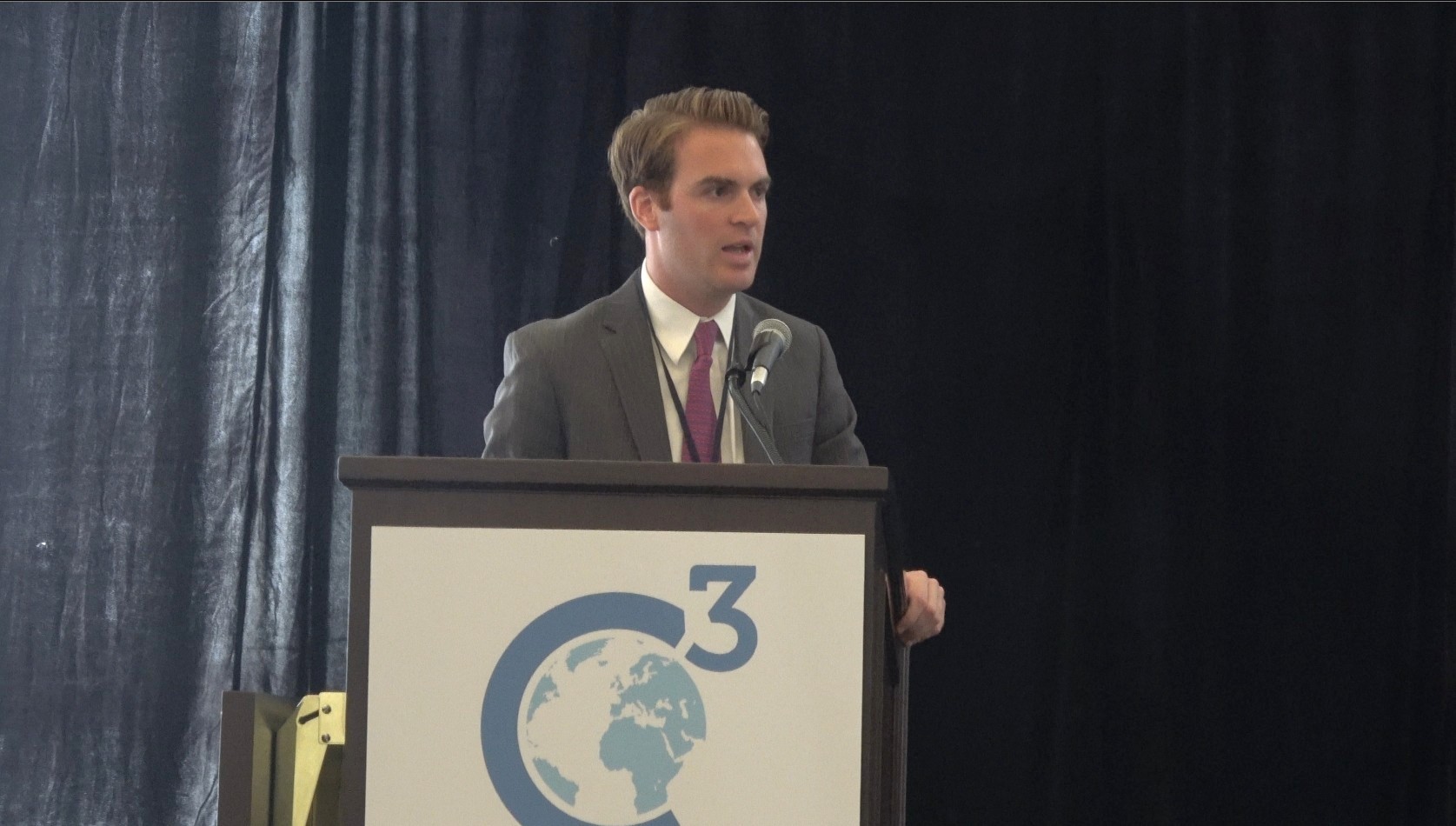
Celebrity Media Special Report: The 15th C3 “Davos of Healthcare” Summit recently concluded at the Union League Club in New York City. In an interview, Baxter Potter, Managing Director of C3 International, said that this year’s summit brought together experts and distinguished guests from healthcare, artificial intelligence, public affairs, and related fields to explore how AI can improve clinical outcomes, hospital operations, and the patient experience.

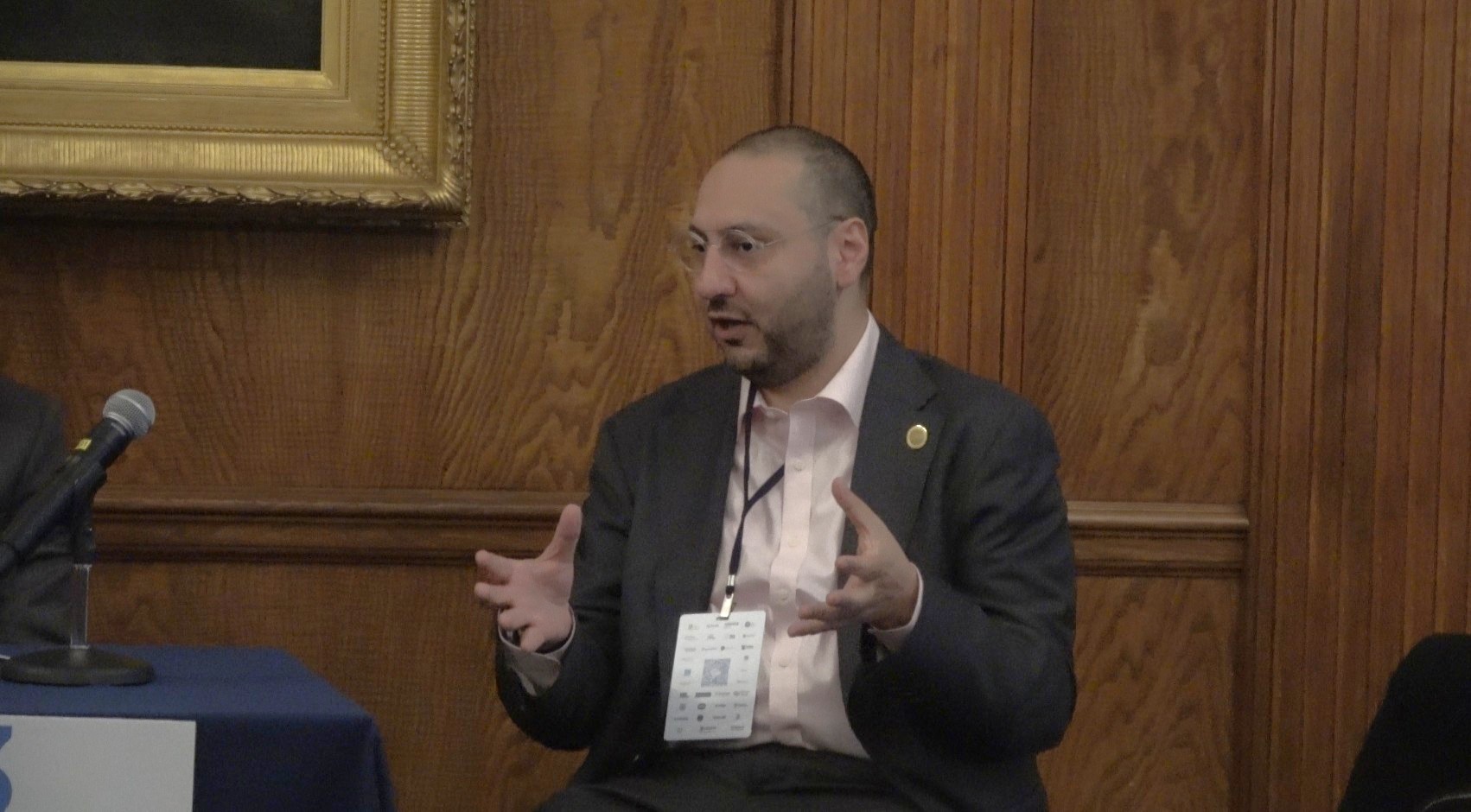
Potter noted that C3 is honored to be a recognized partner of the United Nations General Assembly, and that the summit was also included in the official UN General Assembly guide as one of the formal meetings held during the Assembly period.
King Faisal Specialist Hospital & Research Centre, the global strategic partner of this year’s summit, sent representatives to attend. Other distinguished guests included Dr. Samuel Waksal, former U.S. Secretary of Commerce Wilbur Ross, former U.S. Secretary of Veterans Affairs David Shulkin, and retired U.S. General and former CIA Director David Petraeus, who delivered a keynote address.
“It was a truly outstanding day and a highly successful summit,” Potter said, adding that he hopes to see many new faces at next year’s summit as C3 continues to expand international exchange and cooperation in healthcare.

The Key to AI Competition Lies in Clinical Outcomes
During an artificial intelligence forum moderated by Potter, participants discussed how AI can improve clinical outcomes and hospital operational efficiency, as well as how healthcare institutions should adjust their organizational structures to support these developments.
The forum emphasized that a hospital’s AI capabilities should not be judged simply by the number of AI applications it has or the scale of its systems. What truly matters is whether healthcare institutions can effectively integrate artificial intelligence into clinical practice and use AI to improve treatment outcomes and hospital operations.
This is also expected to become an important area of competition among healthcare institutions in the future. At the same time, as technology advances, the healthcare industry must not lose sight of the patients themselves.
The internet has given patients access to more medical information than ever before. However, ordinary patients often find it difficult to independently analyze and interpret the vast amount of complex and specialized information available to them. AI can help patients organize and understand medical data, giving them a clearer picture of their own health conditions.
Forum participants cited a recent survey indicating that approximately one-quarter of adult patients have used artificial intelligence to search for health or medical information. This trend shows that AI is not only transforming the way hospitals operate, but also changing how patients access and understand medical information.
 Technology Professionals Join Clinical Management Teams
During the forum, representatives from King Faisal Specialist Hospital & Research Centre shared the hospital’s experience in implementing artificial intelligence. Rather than allowing technology or AI personnel to operate separately as an independent department, the hospital restructured its internal organization so that these professionals could participate directly in the work of clinical teams.
According to the presentation, the hospital’s Chief Executive Officer meets weekly with the leaders of its various Centers of Excellence, and technology professionals now also participate in these meetings. The purpose is to ensure that AI can be effectively applied across different clinical and operational departments throughout the hospital.
Whenever a Center of Excellence identifies a need, the technology team works alongside clinical staff to examine patient flow and the entire care process, seeking solutions based on real-world problems rather than addressing isolated technical tasks.
By restructuring its organization, analyzing healthcare workflows, and applying artificial intelligence, the hospital reduced bed waiting times from 32 hours to six hours within approximately one year, while patient waiting times in the emergency department also decreased by about 14%.
The forum concluded that the value of AI does not lie in replacing healthcare professionals, but rather in helping administrators, clinical teams, and technology professionals work together to identify problems, improve processes, and translate technology into tangible healthcare outcomes that patients can experience directly.
Promoting Cross-National Comparisons Among Hospitals
In summarizing the forum discussion, Potter said that this roundtable exchange mechanism should continue to be developed so that hospitals and healthcare systems in different countries can better understand their own performance and compare themselves with healthcare institutions in other countries.
Such comparisons could cover a range of healthcare indicators, operational processes, and patient populations, helping healthcare institutions identify performance gaps and improve clinical quality and operational efficiency through continuous, phased improvements.
Potter then announced the launch of the “Davos Healthcare” global hospital performance evaluation system, which is intended to establish a transparent and internationally comparable platform for evaluating hospitals.
Covering Approximately 16,000 Hospitals Across 65 Countries
Potter pointed out that the healthcare sector has access to more data than ever before, yet performance across different hospitals remains difficult to compare.
“The challenge today is no longer simply finding data, but determining how to organize it, evaluate it consistently, and make that data useful across different healthcare systems and countries around the world.”
According to Potter, existing global hospital assessment tools cover only 32 of the world’s 195 countries. Many assessment systems also fail to fully integrate publicly available data, including clinical statistics at the national and healthcare-system levels, medical research conducted by hospitals, published academic papers, and patented new technologies.
Davos Healthcare aims to integrate these fragmented data sources and provide a more comprehensive basis for hospital performance evaluation and international comparisons.
Potter said that when developing the system, the team’s first consideration was how to make the assessment tool more inclusive. Rather than beginning with a list of internationally renowned hospitals, the team used publicly available evidence and foundational data to build a much broader hospital database.
By connecting to application programming interfaces (APIs) operated by national health authorities in multiple countries, the team collects publicly available records from a wide range of hospitals. The system currently includes approximately 16,000 hospitals across 65 countries, integrating more than 80 public data sources and over 1.3 million data points.
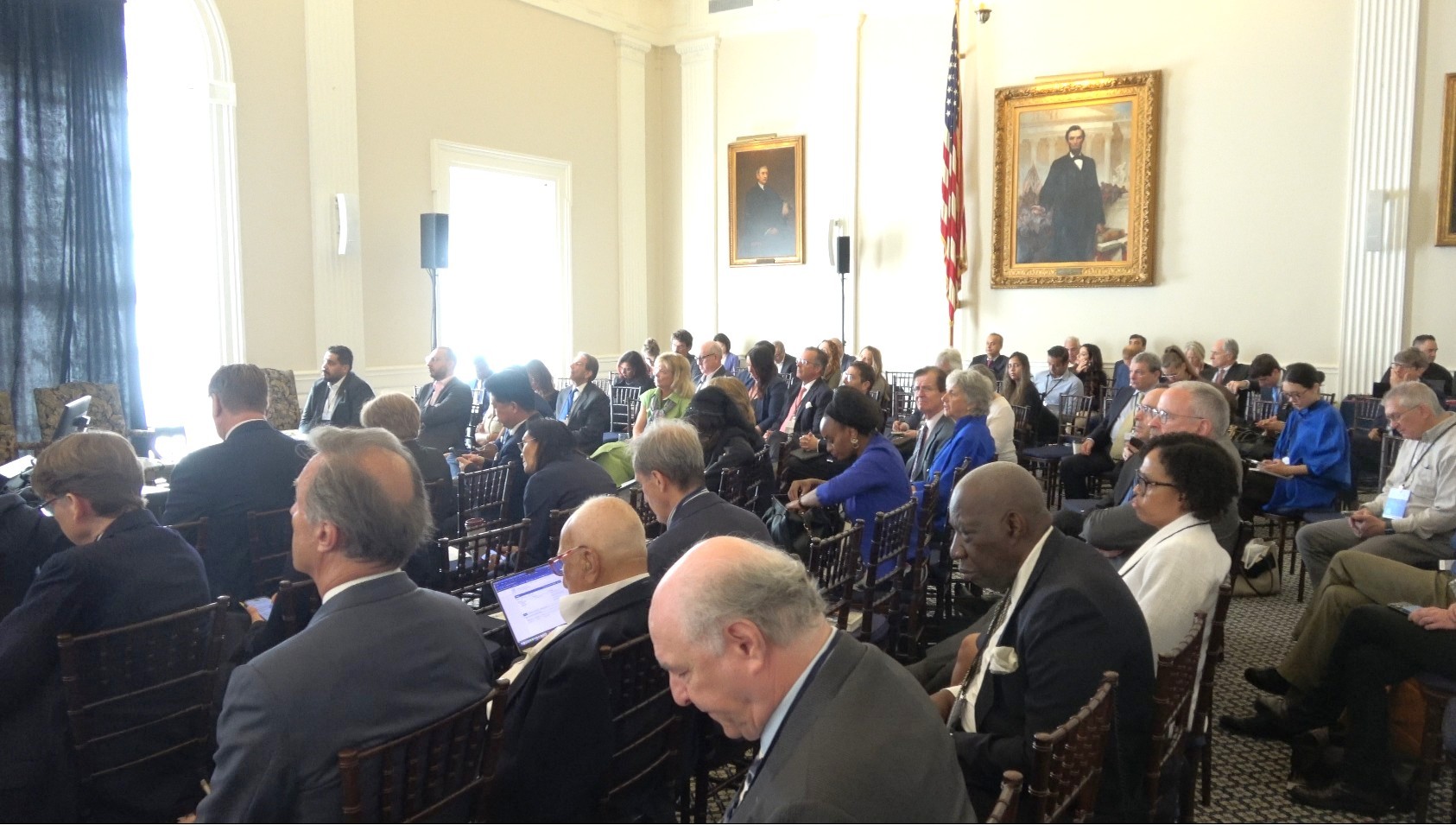
The data cover multiple areas, including hospital clinical statistics, healthcare-system performance, research activities, academic publications, and technology patents.
Potter said that after establishing the hospital database, the next stage will focus on how to evaluate these institutions in a more effective and consistent manner. Artificial intelligence can help the team process large volumes of data from different sources, supporting the development of a more comprehensive, transparent, and continuously updated global hospital performance evaluation system.
Discussions at this year’s C3 Healthcare Summit showed that the development of medical AI is moving beyond technology demonstrations and into the stage of practical implementation. Integrating AI into clinical teams, improving patient flow, reducing waiting times, and using global data to drive continuous hospital improvement are becoming important directions in the digital transformation of healthcare systems.