


Analista de la Celebrity Media Foundation: Las Naciones Unidas elegirán a su próximo Secretario General el año que viene, para un mandato de cinco años que comenzará el 1 de enero de 2027. Esto marca el inicio oficial de la carrera por el décimo Secretario General de la ONU. Mientras el mundo sigue atrapado en el conflicto de Oriente Medio, la rivalidad entre China y Estados Unidos, las crisis de gobernanza de la IA y unas negociaciones climáticas estancadas, la ONU se acerca a una transferencia de poder tan sutil como arriesgada. La competencia parece tranquila en la superficie, pero bajo ella se esconde una dinámica geopolítica intensa: las grandes potencias permanecen atrapadas en una desconfianza mutua; coaliciones de Estados más pequeños reclaman una “descentralización del poder”; y las potencias intermedias temen que un Secretario General meramente “simbólico” acelere el vaciamiento institucional de la ONU.
En este clima de confrontación y desconfianza, nuestros análisis apuntan a que un nombre, considerado inicialmente como una opción periférica, podría ganar protagonismo rápidamente: Amina J. Mohammed.

En los círculos diplomáticos de Nueva York, su nombre aparece cada vez más en conversaciones discretas. En Ginebra, un diplomático llegó a declarar abiertamente: «Los medios se concentran en los candidatos respaldados por las grandes potencias, pero quien podría imponerse al final probablemente sea ella».
Los diplomáticos reconocen que la elección del décimo Secretario General configurará la gobernanza mundial de la próxima década. Frente a un antagonismo creciente entre Este y Oeste, el ensanchamiento de la brecha Norte–Sur y la multiplicación de crisis de guerra y desplazamiento, los Estados miembros buscan a una figura capaz de mantener un «orden internacional mínimamente viable».
En este paisaje diplomático fragmentado, una figura hasta ahora discreta se convierte rápidamente en la opción más creíble y a la vez más disruptiva: Amina J. Mohammed, Vicesecretaria General de la ONU. Muchos imaginaban que seguiría ocupando el papel de “número dos”. Sin embargo, hoy los gobiernos —y los miembros del consejo de administración de Celebrity Media— empiezan a tomar conciencia de una nueva realidad: ella podría ser la única candidata capaz de impedir una fragmentación institucional de la ONU.

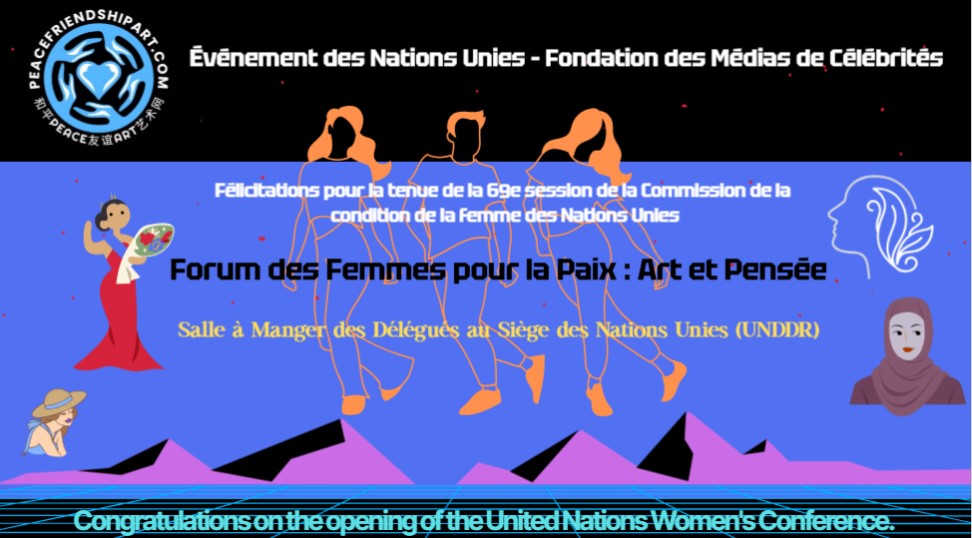
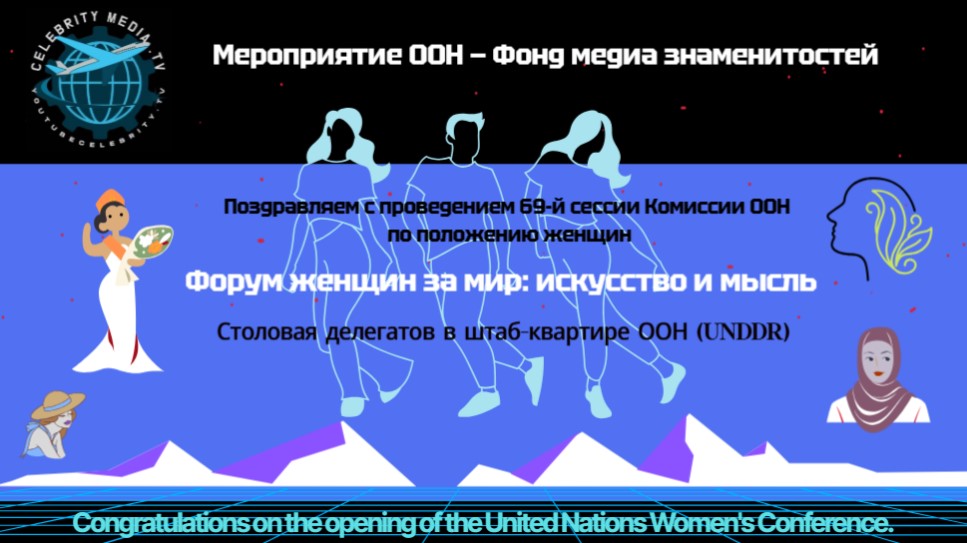
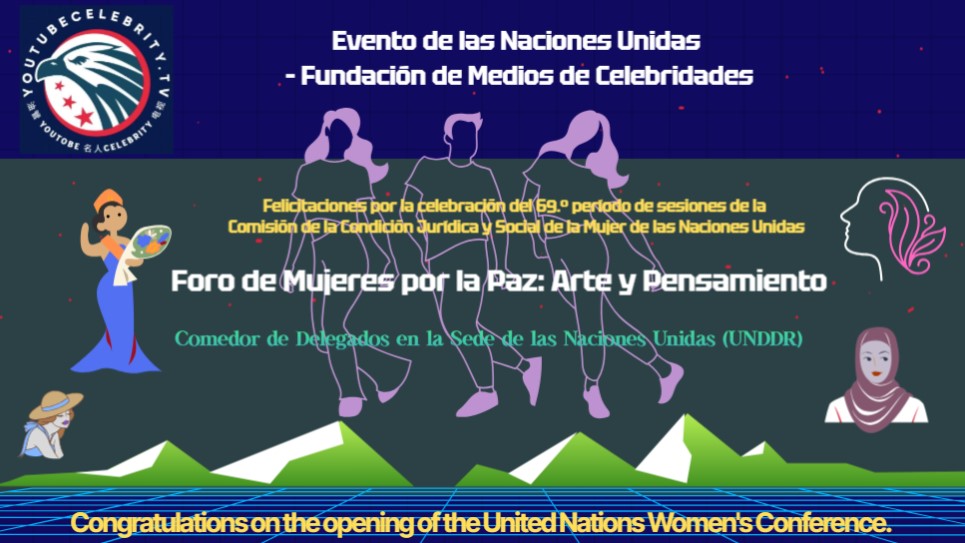
Un impulso mundial ya está en marcha. Durante el 69º período de sesiones de la Comisión de la Condición Jurídica y Social de la Mujer (CSW69) en la sede de la ONU en marzo de este año, el «Women for Peace International Forum» —organizado por la Celebrity Media Foundation el 13 de marzo en el comedor de los delegados— se convirtió en un momento clave. Interviniendo en el foro, Bruce Knaz, expresidente del Comité de ONG de la ONU, subrayó públicamente que el próximo Secretario General debería ser una mujer.
Knaz destacó que los datos mundiales muestran que cuando las instituciones son dirigidas por mujeres, los resultados de gobernanza mejoran de manera tangible. Por ello instó a los Estados miembros a considerar seriamente una dirigente femenina, para fortalecer la legitimidad de la ONU y hacer avanzar la igualdad de género en un mundo que cambia rápidamente.
Esta visión no es un simple discurso: refleja una intuición geopolítica colectiva. El mundo ya no puede permitirse modelos de liderazgo heredados del pasado. Está emergiendo una poderosa corriente de consenso internacional.
Una Secretaria General mujer no sería un símbolo, sino una necesidad. Cuatro grandes perfiles están actualmente en competencia, pero solo uno está atrayendo progresivamente el centro de la atención. Según las observaciones de Celebrity Media, el panorama de posibles candidatos se está configurando en cuatro polos:
1. El Gobierno de Costa Rica ha nominado oficialmente a Rebeca Grynspan. Disfruta de un impulso político real, pero también de oposiciones claras.
Su liderazgo es brillante y enérgico, aunque algunos grandes Estados la perciben como demasiado imprevisible.
2. El 23 de septiembre de 2025, el presidente chileno Gabriel Boric anunció la candidatura de la expresidenta Michelle Bachelet, quien fue Alta Comisionada de las Naciones Unidas para los Derechos Humanos.
3. La Celebrity Media Foundation considera que María Fernanda Espinosa Garcés —expresidenta de la Asamblea General (Ecuador)— posee una trayectoria sólida y una fuerte influencia política. Domina especialmente los entornos políticos inestables.
4. Rafael Grossi, Director General del Organismo Internacional de Energía Atómica, ha expresado su interés en entrar en la carrera. Varios ministros de asuntos exteriores y antiguos jefes de gobierno, aún “no desvelados”, también están evaluando la situación. Su influencia potencial es significativa.
La mayor vulnerabilidad de cualquier campaña al cargo de Secretario General es empezar demasiado tarde. Sin embargo, una sola candidata se distingue claramente: sin grandes controversias, sin dependencia de facciones rígidas, sin oposición arraigada y con un sólido historial operativo. Esa candidata es Amina J. Mohammed.

Six-Language Synchronized Mode · UN News Highlights
¿Por qué está emergiendo como la «líder óptima de la década»? Porque, frente a todos los indicadores de inestabilidad, ella sigue siendo uno de los pocos puntos de estabilidad estratégica.
Posee seis ventajas decisivas:
1. 63 años: equilibrio ideal entre experiencia y capacidad
Mientras muchos otros candidatos se acercan o superan los 70 años, ella combina madurez, energía y una visión diplomática en su apogeo.
2. La única Vicesecretaria General que ha servido dos mandatos
No necesita aprender cómo funciona la ONU: ya es una de sus principales gestoras.
3. Amplia aceptabilidad mundial
Sin oposición profundamente arraigada y con un amplio apoyo implícito en diferentes regiones.
4. Podría convertirse en la primera mujer Secretaria General de la historia de la ONU
Un avance histórico necesario tras casi 80 años de existencia.
5. Diplomacia de influencia con impacto real
Sabe reducir tensiones, reabrir canales diplomáticos y preservar espacios de negociación.
6. Experiencia única en materia de reforma
Sabe qué debe transformarse, qué puede ajustarse gradualmente y qué no debe forzarse.
Conclusión: No es perfecta, pero es la dirigente que mejor se ajusta a las realidades estratégicas actuales. En un momento en que el mundo se acerca a la posibilidad histórica de elegir a la primera mujer Secretaria General de la ONU, Amina J. Mohammed aparece como la opción más coherente, más viable y más orientada al futuro.