
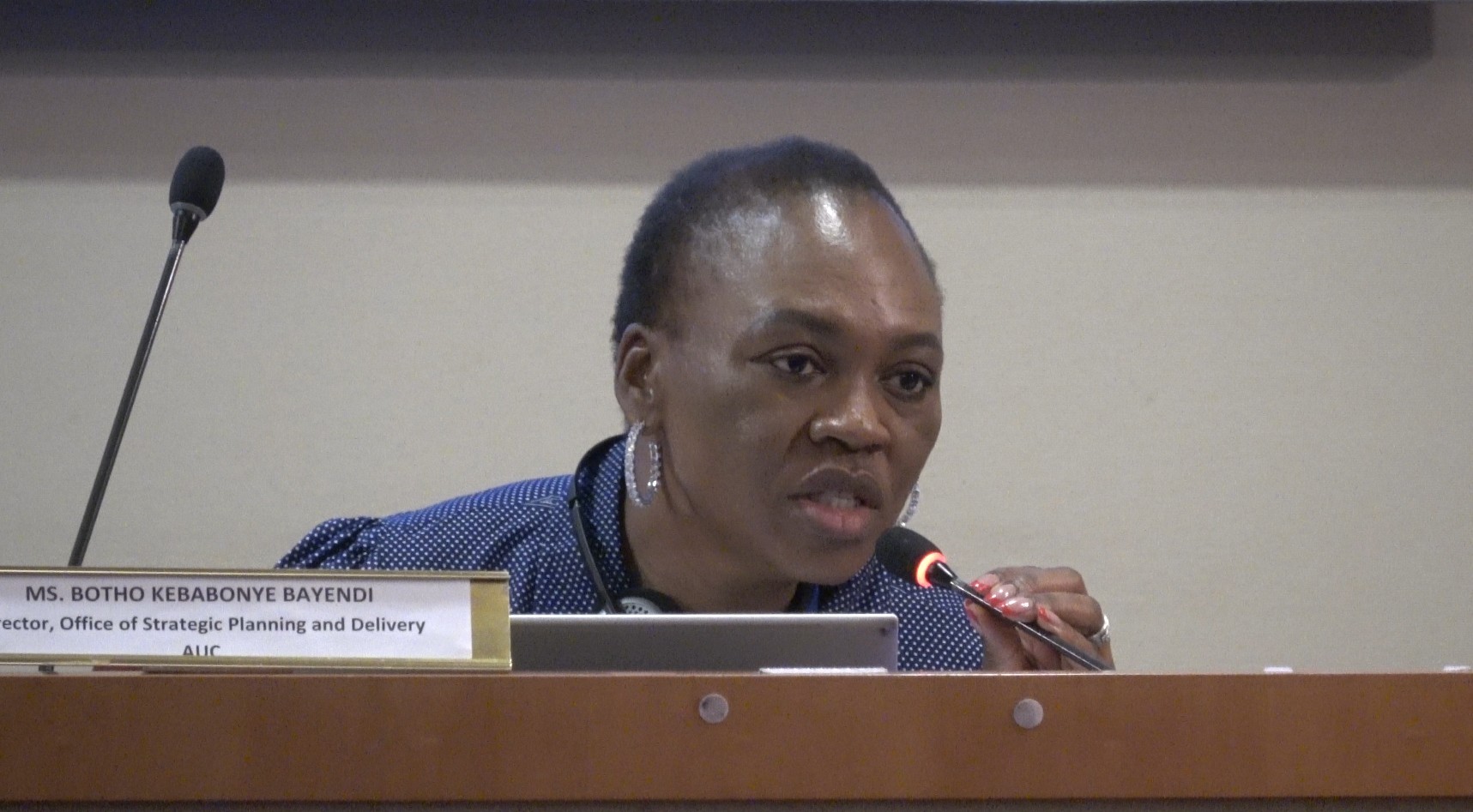
Celebrity Media — An Africa Day High-Level Ministerial Meeting was held during the United Nations High-Level Political Forum, focusing on ways to accelerate the implementation of the United Nations 2030 Agenda for Sustainable Development and the African Union’s Agenda 2063.
Representatives of African governments, the African Union, United Nations agencies, the African Development Bank, youth organizations, and African diaspora groups attended the meeting. Participants reviewed Africa’s progress toward sustainable development, examined the major challenges facing the continent, and discussed priorities for the next phase of implementation.
The meeting noted that only a limited amount of time remains before the 2030 deadline. Africa continues to face overlapping challenges, including climate change, mounting debt, food insecurity, insufficient development financing, armed conflict, and geopolitical tensions. Participants stressed that Africa does not lack development strategies, policy documents, or assessment reports. The more serious weaknesses lie in the speed of implementation, institutional coordination, financing capacity, and accountability.
The representative of Tanzania shared the country’s experience in conducting several Voluntary National Reviews and gradually integrating the Sustainable Development Goals into national development plans, public investment programs, and annual budgets. The meeting emphasized that Voluntary National Reviews should not be treated merely as reports submitted to the United Nations. Instead, they should serve as practical government management tools for improving policies, coordinating institutions, and advancing implementation.
Broad participation by government ministries, local authorities, parliaments, academic institutions, civil society organizations, youth groups, and the private sector was also identified as essential to strengthening national ownership, public representation, and accountability.
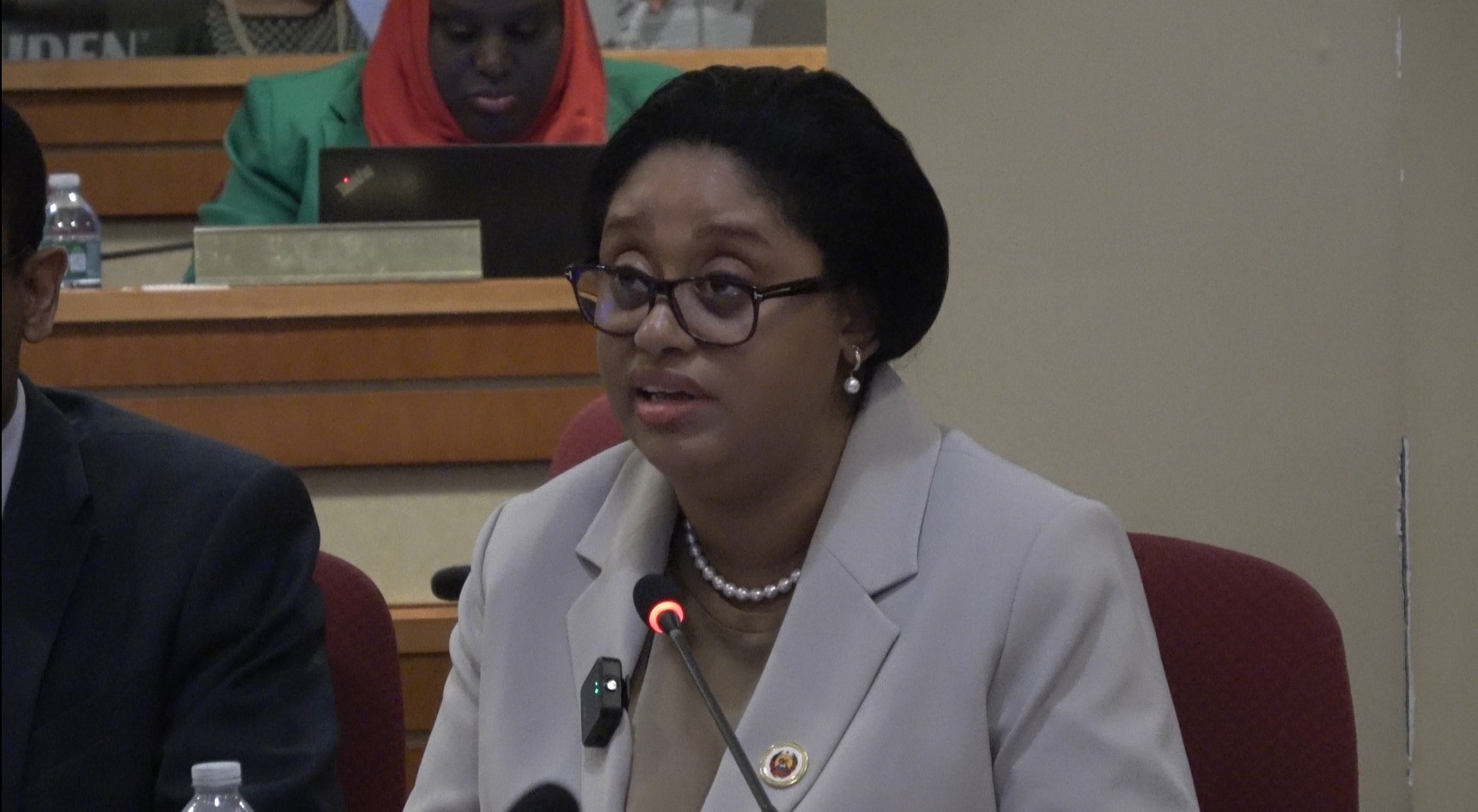
The representative of Mozambique stated that the country had incorporated both the 2030 Agenda and Agenda 2063 into its long-term national development strategy and five-year government program. Mozambique had also used local-level voluntary reviews to translate national goals into action in districts and communities.
At the same time, Mozambique highlighted financing and debt burdens as central obstacles to the implementation of the two agendas. African countries may continue to face high borrowing costs and unfavorable risk assessments even after introducing reforms and improving governance. Participants therefore called for substantive changes to the international financial architecture so that African countries can obtain fairer access to development financing.
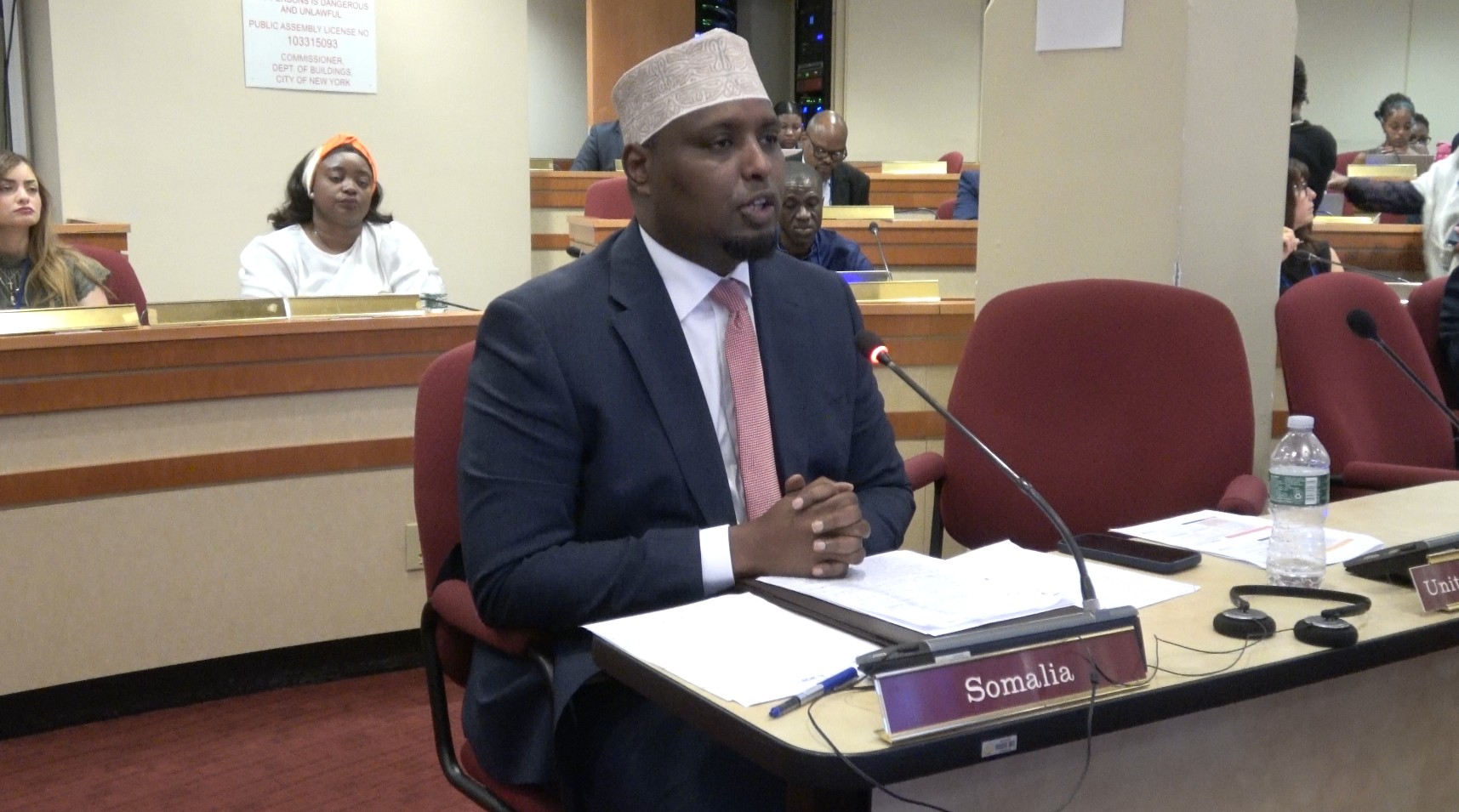
The representative of Somalia outlined progress in security, education, poverty reduction, water access, human rights, and gender equality. Somalia emphasized that its national objective should go beyond recovery from fragility and focus on building a more resilient, inclusive, and productive economy.
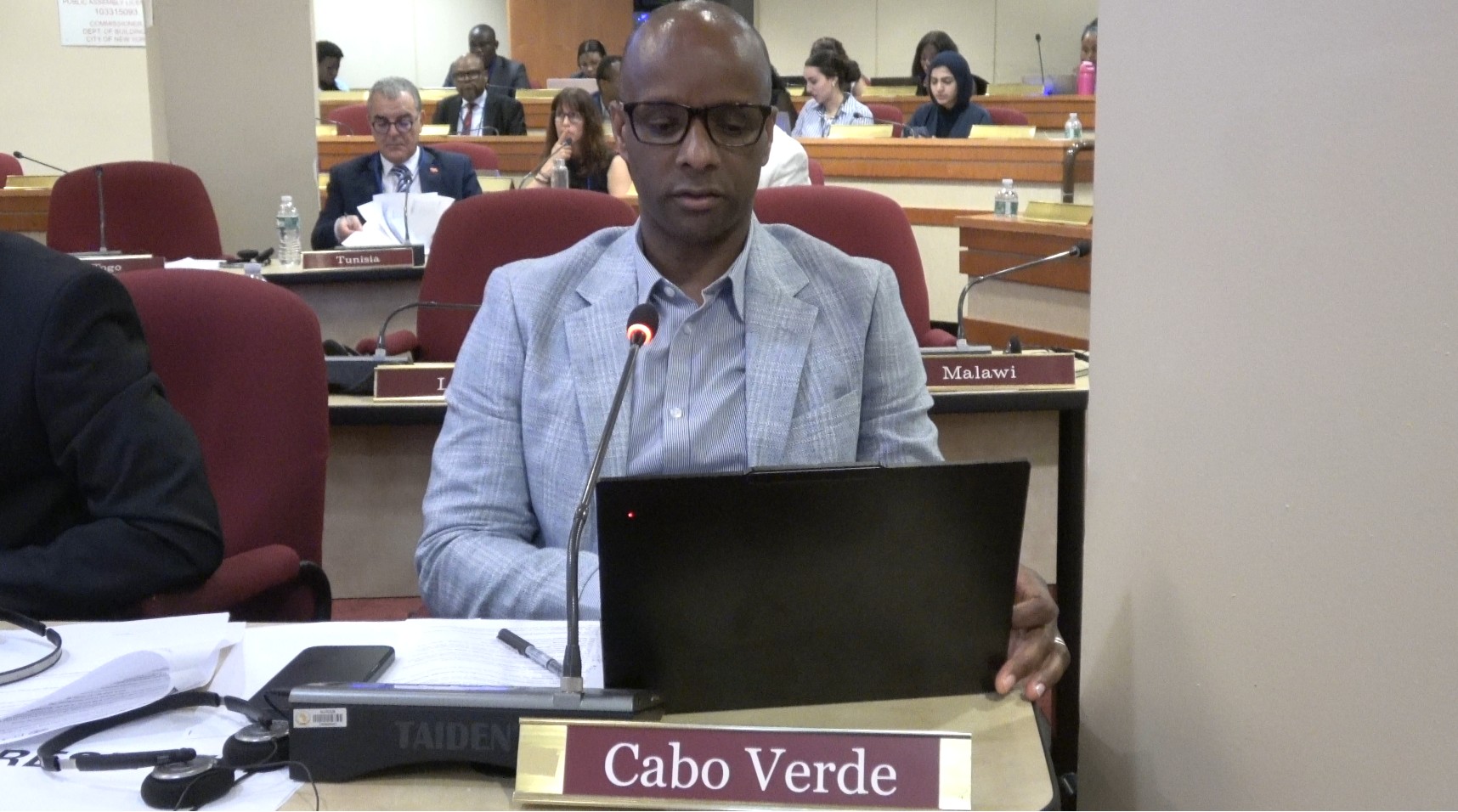
The representative of Cabo Verde addressed the particular challenges facing small island developing states. Climate risks, prolonged drought, limited freshwater resources, and dependence on imported energy are closely interconnected. Water and energy policies must therefore be developed and implemented together. Clean energy is not only a climate issue but also a key factor affecting drinking-water security, economic development, and social stability.
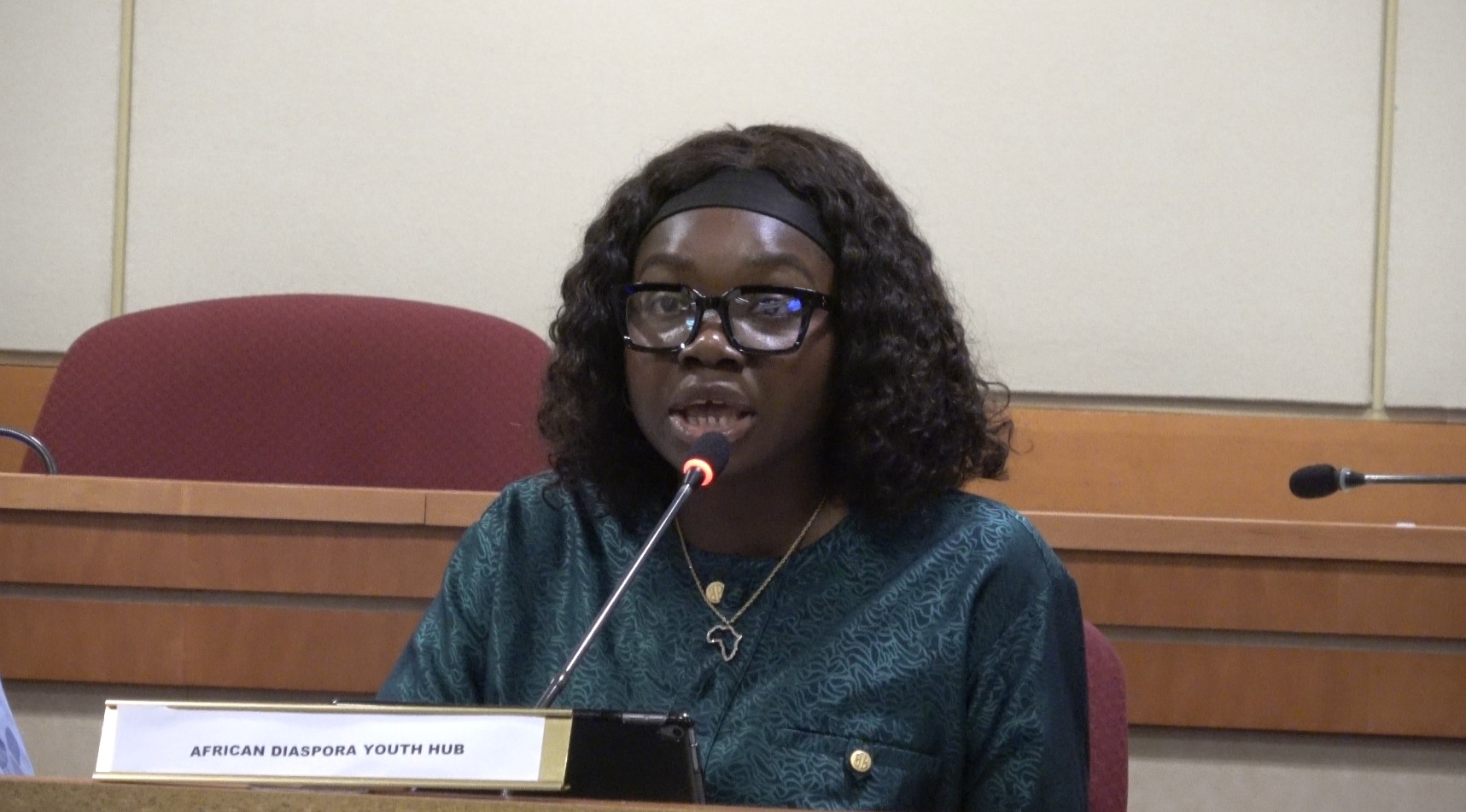
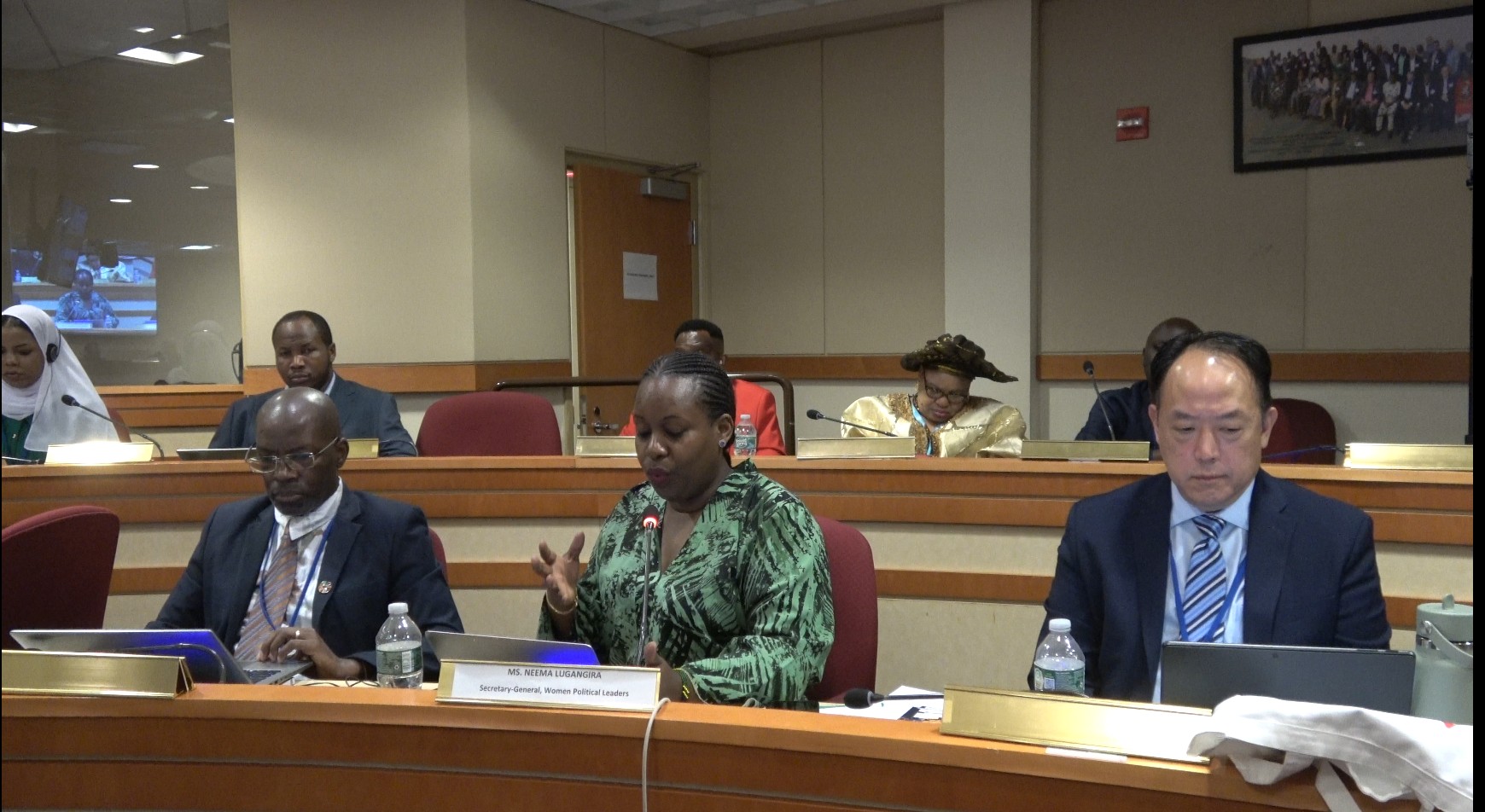
Youth and African diaspora representatives urged governments and institutions to move beyond symbolic youth participation. Young people should be directly involved in national budgeting, policymaking, project implementation, and decision-making processes.
The contribution of the African diaspora should also not be measured solely by remittances. The diaspora’s professional expertise, technical knowledge, international networks, investment relationships, and innovative capacity can provide long-term support for Africa’s development.
The meeting also called for greater recognition of African knowledge systems, languages, and cultures in global policy discussions. Sustainable development is not only about financing and development projects; it is also about intellectual authority and representation. African countries must strengthen the influence of their own knowledge systems in international decision-making and prevent African perspectives from being marginalized within global development frameworks.
Participants broadly agreed that future efforts must shift from repeatedly identifying problems to implementing concrete solutions. Recommendations emerging from international and regional meetings should be reflected in national budgets, public investment decisions, legislative oversight, local governance, and regional cooperation.
To achieve meaningful progress before 2030, Africa will require faster implementation, greater scale, stronger political commitment, and more effective regional and international partnerships.
Speakers
- Samir Abdelhafidh, Minister of Economy and Planning of Tunisia
- Mohamud Abdirahman Sheik Farah, Minister of Planning, Investment and Economic Development of Somalia
- Carlos Varela, Minister of Environment, Climate Action and Energy of Cabo Verde
- Professor Kitila A. Mkumbo, Minister of State in the President’s Office for Planning and Investment of Tanzania
- Carla Alexandra Oreste de Rosario Fernandes Loveira, Minister of Finance of Mozambique
- Louise Pierrette Mvono, Minister of Planning and Prospective Affairs of Gabon
- Lounes Magramane, Secretary-General of the Ministry of Foreign Affairs, National Community Abroad and African Affairs of Algeria
- Professor Frédéric Nimubona, Deputy Director of Cabinet in the Office of the Prime Minister of Burundi
- Eugenia Boateng, Founder of the African Diaspora Youth Hub
- Ba Bocar, Vice-President of the Pan African Youth Union
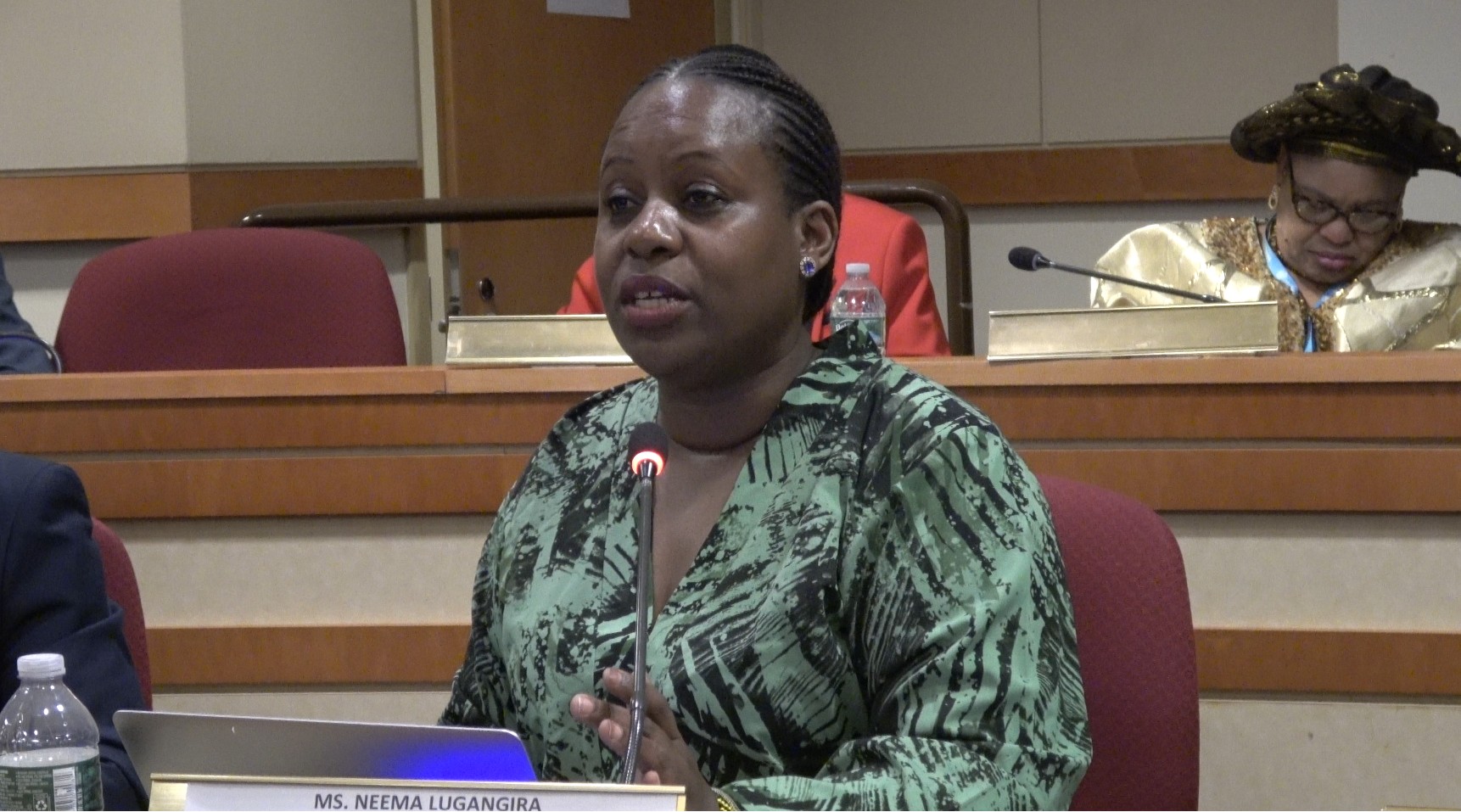
- Neema Lugangira, Secretary-General of Women Political Leaders
The meeting concluded with closing remarks by Dr. Balgis Osman Elasha, Chief Regional Coordinator for Climate Change and Green Growth in North Africa at the African Development Bank.
Dr. Elasha emphasized that Africa needs structural transformation in climate resilience, integrated development planning, development financing, regional integration, and youth employment. Political commitments, she said, must be converted into measurable and sustainable development outcomes.