

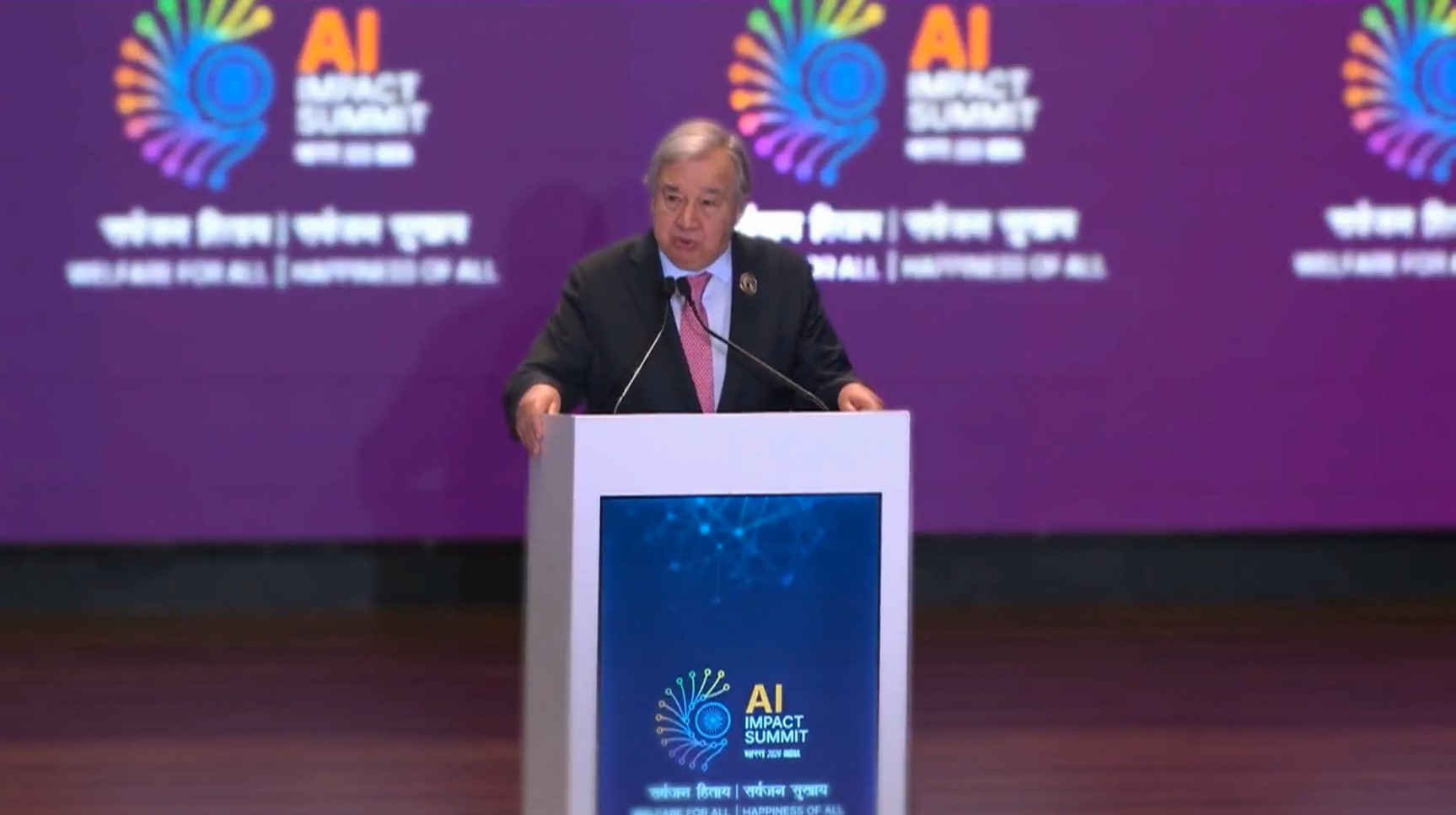
United Nations Secretary-General António Guterres stated that “the future of artificial intelligence must not be decided by a handful of countries, nor shaped by the whims of a few billionaires,” reaffirming that this technology must be accessible, beneficial, and safe for everyone.
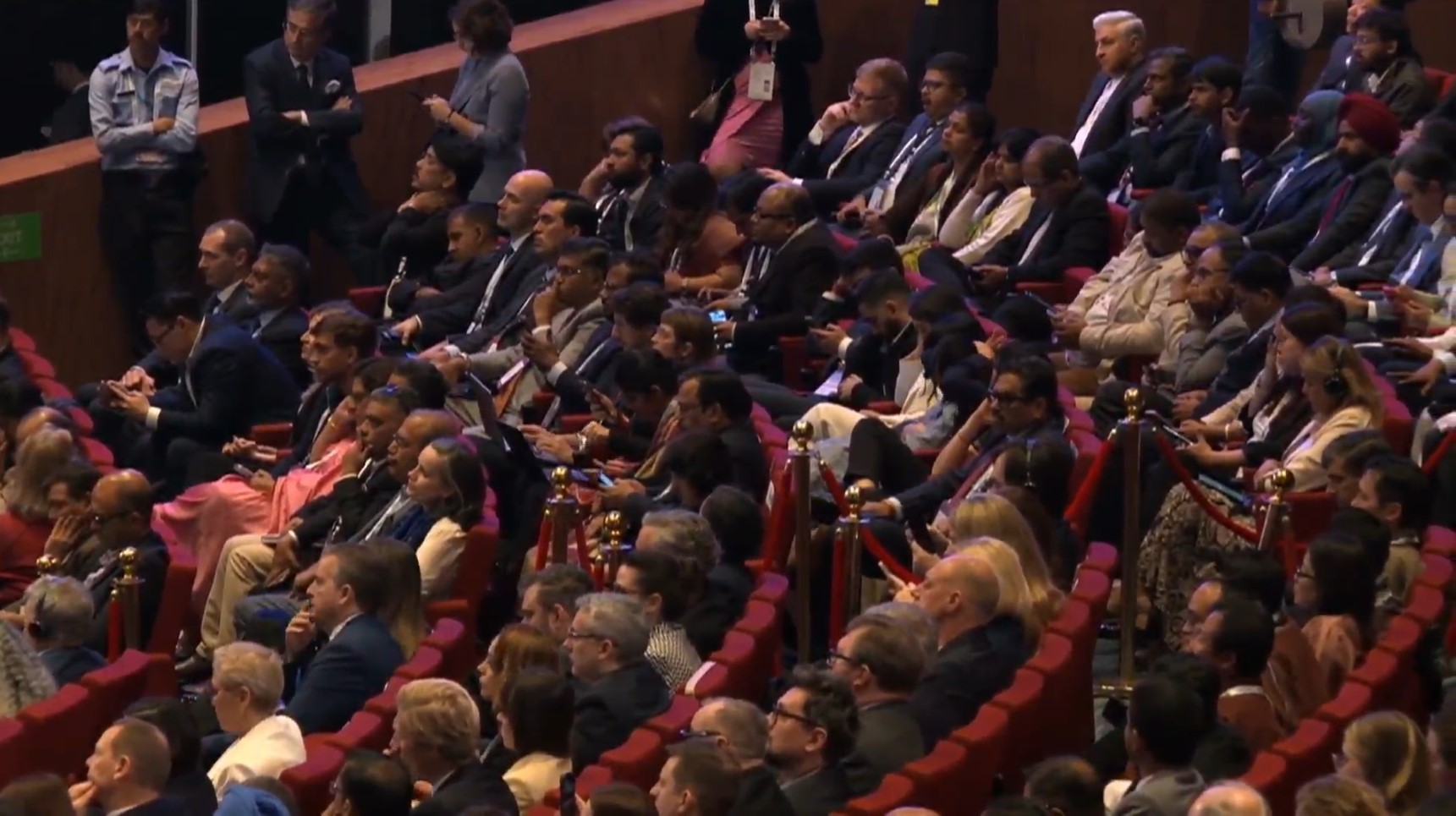
The Secretary-General delivered these remarks today (19 February) at the opening of the AI Impact Summit in New Delhi. He urged Member States, industry, and civil society to contribute to the Independent International Scientific Panel on Artificial Intelligence. He also noted that the first Global Dialogue on AI Governance, to be held in July, will provide every country and every stakeholder with a voice—to coordinate efforts, uphold human rights, prevent misuse, and advance shared safety measures, which form the foundation for interoperability.
Guterres stressed that “artificial intelligence must benefit all people,” and added that, with encouragement from the General Assembly, he is calling for the establishment of a Global AI Fund to build essential capacities in developing countries, including skills, data, affordable computing power, and inclusive ecosystems.
“Our target is three billion dollars,” the Secretary-General said. “That is less than one percent of the annual revenue of a single technology company. It is a small price to pay for the widespread adoption of artificial intelligence, because AI benefits everyone—including the companies that develop it.”
He further emphasized that “artificial intelligence must serve all people,” noting that, if used properly, “AI can advance the Sustainable Development Goals; accelerate medical breakthroughs; expand access to learning; strengthen food security; reinforce climate action and disaster preparedness; and improve access to essential public services.”
The Secretary-General warned that “artificial intelligence can also widen inequalities, amplify bias, and cause harm.” As demand for energy and water surges, he said, data centers and supply chains must shift to clean energy rather than passing the costs onto vulnerable communities.
“We must invest in workers,” he reiterated, “so that artificial intelligence enhances human potential rather than replaces it.”
Guterres also stressed that “artificial intelligence must be safe for everyone,” adding: “We must protect people from exploitation, manipulation, and abuse. No child should ever become a test subject for unregulated artificial intelligence.”
He concluded: “The message of this Summit is simple: real impact means technology that improves lives and protects our planet. So let us build artificial intelligence for all—and make dignity the default setting.”